
Choosing a garage floor coating in Hawaii isn't like choosing one on the mainland. Salt air, year-round humidity, intense UV, and big temperature swings are uniquely punishing on concrete. This buyer's guide explains what actually holds up here — and what to avoid.
Serving All of Maui: Kahului, Kihei, Lahaina, Wailuku, Makawao, Pukalani, Paia, Haiku & Upcountry Maui
Get My Free EstimateHawaii's climate attacks a garage floor from several directions at once, and each one degrades unprotected concrete and bargain coatings in its own way:
On a bare or painted slab, these forces lead to dusting, pitting, stains, and cracks. On a thin big-box epoxy, they cause yellowing, blistering, and peeling — often within just a few years in the islands. The right coating has to be chosen for these specific conditions.
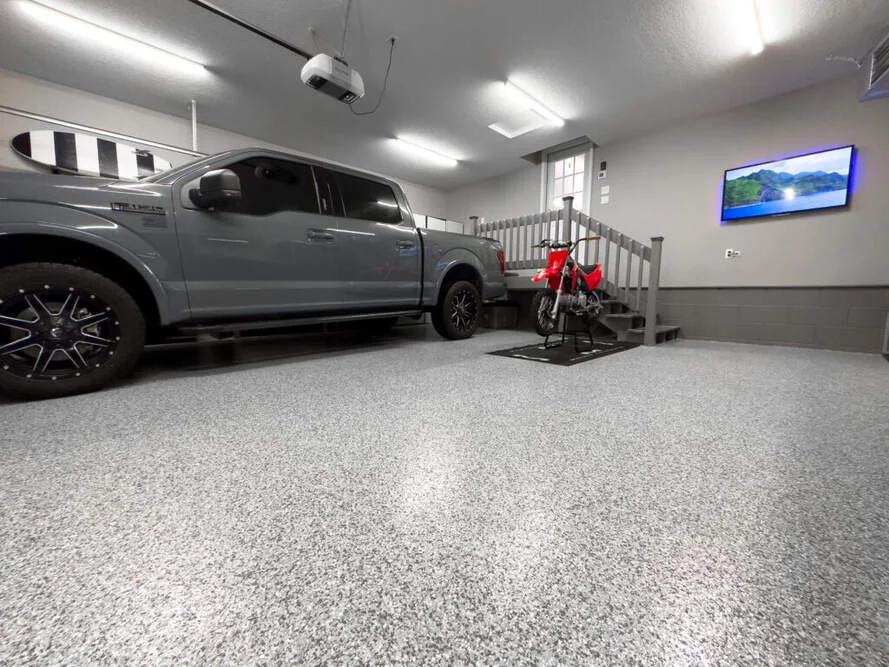
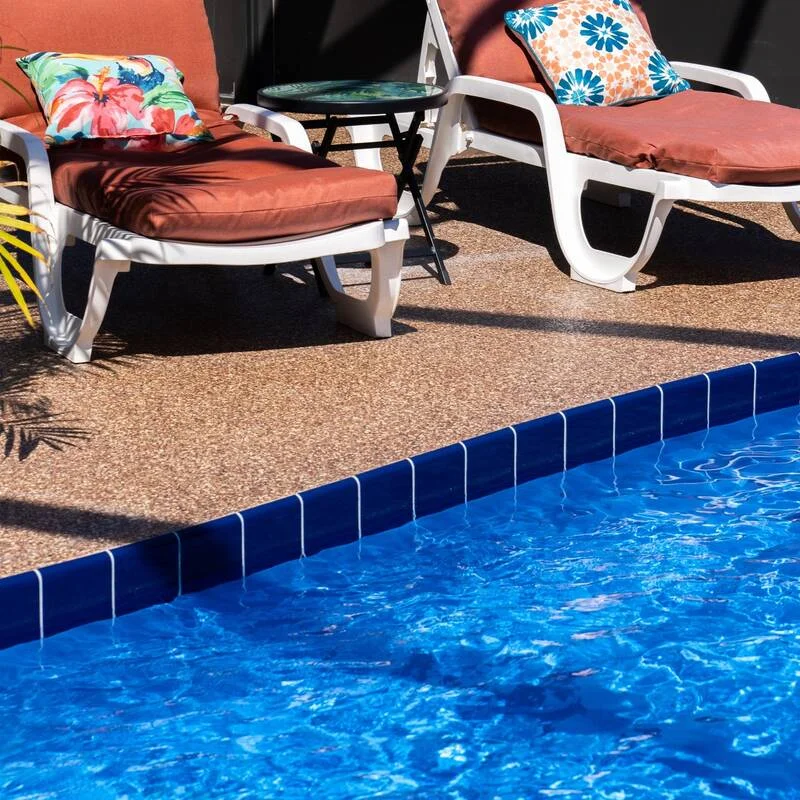
Once you understand what Hawaii throws at a garage floor, the checklist for a coating that lasts becomes clear. Whatever installer you talk to, make sure the system delivers all of these:
Run that checklist against the options and one type of system checks every box: a professional-grade polyurea and polyaspartic coating — the system we install as a factory-trained, Penntek-certified installer. Here's how it maps to Hawaii's challenges:
By contrast, a big-box epoxy kit falls short on nearly every point: it's rigid, not UV-stable, and bonds poorly without professional prep — which is exactly why it tends to yellow, blister, and peel in the islands. The whole polyurea/polyaspartic system also cures in hours, which makes a one-day install possible. Learn more about the system on our Maui garage floor coating and polyaspartic coatings pages.
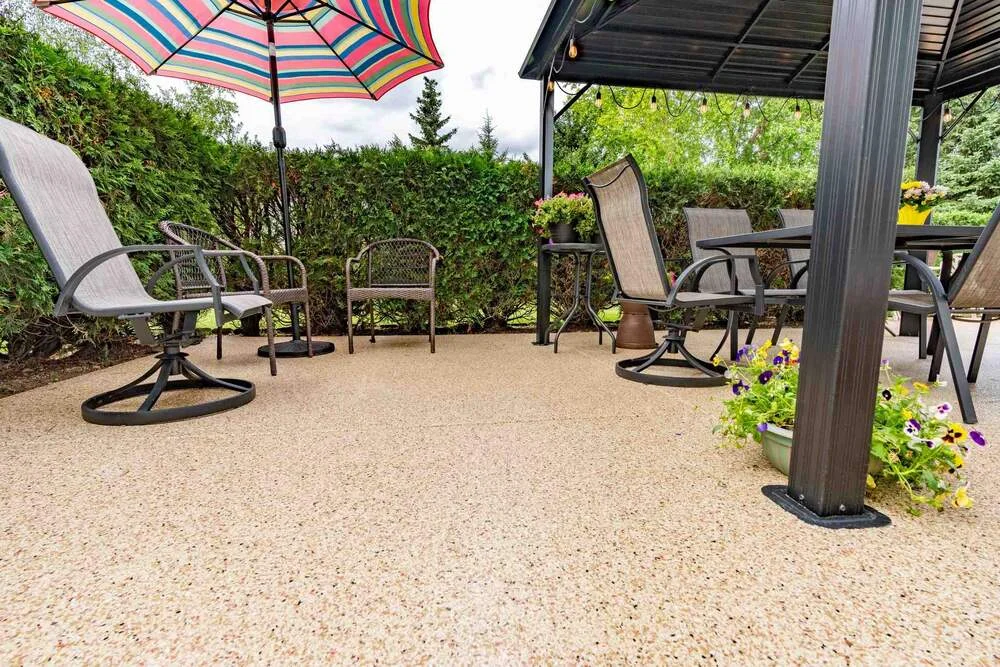
Maui isn't one climate, and the right approach is tailored to where you live. Near the coast — in towns like Kīhei, Lahaina, and Kahului — salt exposure is the bigger threat, so sealing the slab against salt and moisture intrusion is the priority. In the valley and cooler Upcountry areas such as Wailuku and Makawao, humidity and wider temperature swings matter more, which puts the emphasis on vapor-tolerant prep and a flexible system that won't crack.
Either way, the prep and system are dialed in to your slab and your conditions. Explore your town: garage floor coating in Kīhei (coastal salt air) or garage floor coating in Wailuku (valley humidity).
Check Availability in Your TownThe best choice for Hawaii is a professionally installed polyurea/polyaspartic system over a diamond-ground slab. It stays UV-stable so it won't yellow, flexes with temperature swings, and forms a non-porous, well-bonded surface that resists salt air and humidity far better than store-bought epoxy kits.
Yes. Salt-laden trade-wind air carries corrosive chloride that works into bare or poorly sealed concrete, accelerating pitting, staining, and corrosion. A seamless, non-porous coating seals the slab so salt and moisture can't penetrate — especially important for coastal Maui homes.
A properly prepped and installed polyurea/polyaspartic system handles humidity well. Diamond grinding creates a deep mechanical bond that resists the humidity-driven delamination that makes cheaper coatings bubble and peel, and the non-porous surface keeps moisture out.
Basic epoxy kits are a poor fit. Epoxy is rigid and degrades under UV and heat, so it tends to yellow, become brittle, and peel in tropical humidity and temperature swings. Flexible, UV-stable polyurea and polyaspartic coatings are a much better choice for island garages.
Yes — broadcasting decorative flake and an anti-slip texture into the topcoat gives the floor reliable traction even when wet, which matters in Hawaii's frequent rain and humid conditions.
Kahului, HI — serving all of Maui
Monday – Friday: 7AM – 7PM
Saturday: 9 AM–5 PM
Sunday: Closed
Licensed & Insured — Lic# BC-39815